top of page

Welcome to the Blog!


The Supply Drop: How to Feed a Hyperfocused Partner Without Breaking Their Brain
Have you ever walked into a room to ask your partner a simple question—like “Do you want lunch?”—and been met with silence, irritation, or a look that says you’ve committed a crime? You’re not dealing with rudeness. You’re dealing with hyperfocus. When a neurodivergent brain locks into deep focus, interruptions can feel physically painful. This post introduces The Supply Drop—a way to support a hyperfocused partner’s body without breaking their brain or damaging your connecti
Jan 216 min read

The Autism Trait Wheel — See the Whole Picture, Not Just a Score
You took a screener.
Got a number.
And still felt unseen.
That’s because autism isn’t a straight line. It’s a wheel — showing strengths and challenges side by side. This tool helps you finally see the whole picture.
Dec 17, 20254 min read

Holiday Survival Guide for Neurodiverse Couples
Holidays amplify everything—warmth, noise, expectations. For neurodiverse couples, this can mean sensory overload, misread signals, or conflict that wasn’t meant to happen. This guide offers simple, repeatable tools: pause cues, sensory planning, repair scripts, monologue cues, and ND-friendly communication strategies to help you stay connected, regulated, and on the same team this holiday season.
Nov 30, 20253 min read


When Focus Becomes a Fight in Neurodiverse Relationships
Hyperfixation, special interests, and Monotropism can look the same from the outside — but inside, they feel completely different. This guide breaks down each pattern, explains how ND attention works, and offers simple steps for partners to stay connected without shame, overwhelm, or resentment.
Nov 29, 20254 min read


Stuck with Bad Apologies? Get a Neurodiverse Apology Upgrade
Apologies are supposed to bring couples closer—but in neurodiverse relationships, they often do the opposite. Misread tone, mixed signals, and “intent vs. impact” confusion can turn a simple repair into a full shutdown.
This guide breaks down why apologies don’t work in neurodiverse communication—and how to upgrade them with clear language, ownership, and small, visible repairs that rebuild trust.
Nov 14, 20254 min read
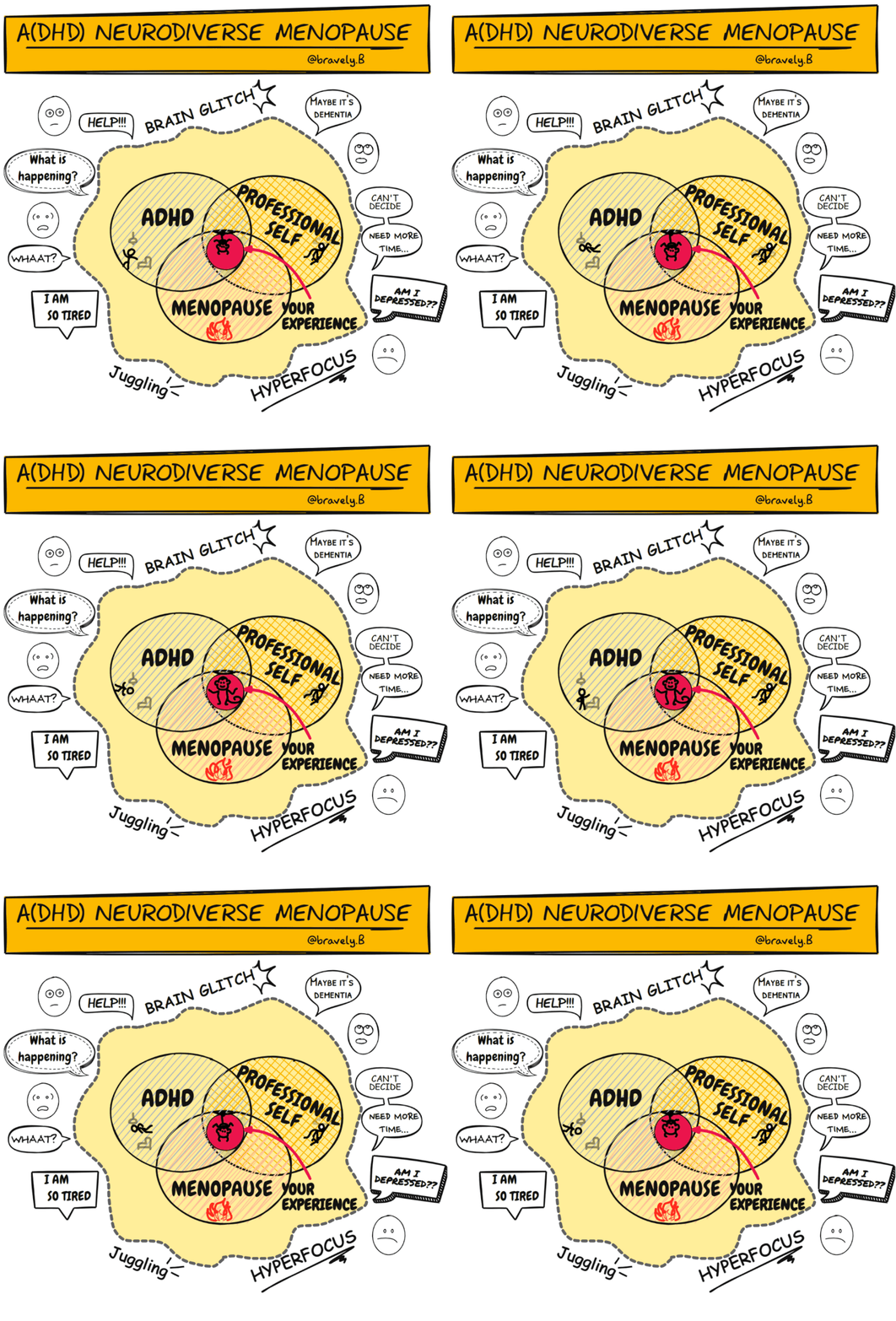
Menopause and Neurodiverse Relationships: How to Adapt
Menopause can feel like a perfect storm—especially in neurodiverse couples. Hormonal shifts, disrupted sleep, and sensory overload can strain even solid relationships. This guide breaks down why it hits harder, what science says, and how small, neuro-informed adjustments can restore calm, comfort, and connection.
Oct 30, 20255 min read


ADHD in Relationships: Why It Hurts and How to Heal
ADHD can quietly erode even the strongest relationships. Missed responsibilities and emotional burnout leave both partners hurt and disconnected. Learn why these patterns form—and discover practical, ADHD-sensitive tools like the “visitor-based method” that help couples rebuild trust, balance, and intimacy.
Oct 29, 20254 min read


AI in Relationships: Friend, Foe, or Both?
AI is showing up in autism therapy. Used wisely, it helps autistic individuals practice communication, clarify tone, and prepare for difficult conversations. But misused, it can damage trust. Explore how our AI-assisted therapy integrates technology safely to strengthen real human connection.
Sep 29, 20253 min read

Breathe Together, Calm Together: A 2-Minute Reset for Neurodiverse Couples - (Autism friendly stress relief)
Overload isn’t rudeness—it’s your body going offline. Breath is the fastest reset. Learn autism-friendly ways to use the physiological sigh or resonance breathing to calm your system, regulate with your partner, and prevent spirals. Two minutes daily can change everything.
Sep 23, 20253 min read
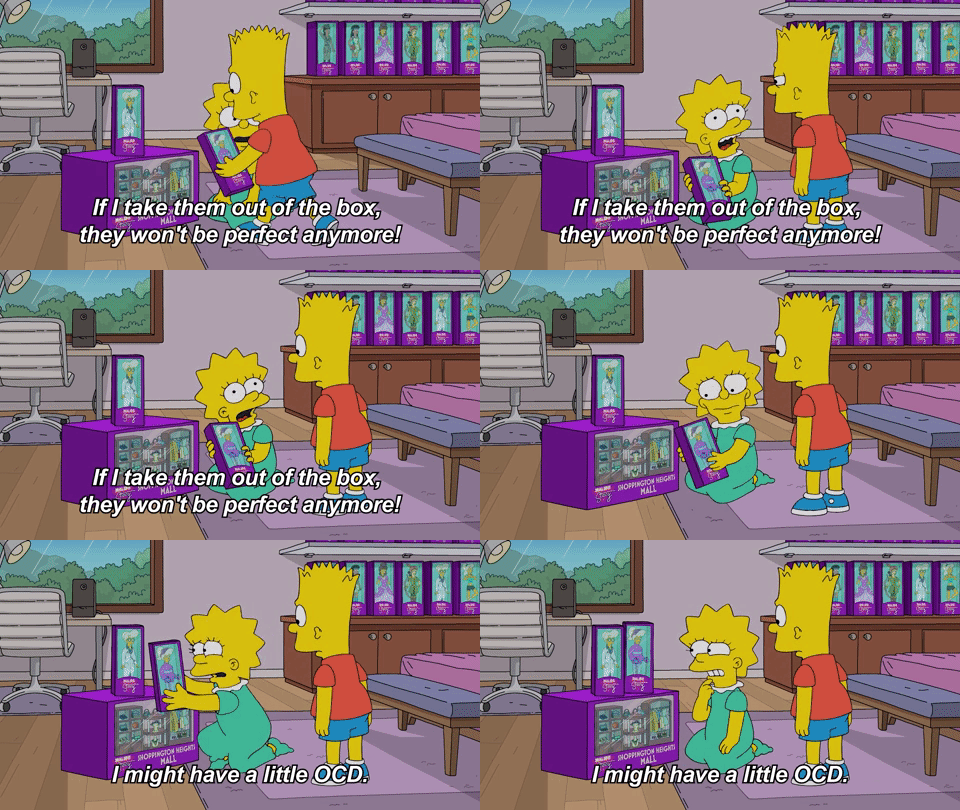
Is it OCD… or Autism? Why the Difference Matters for Your Relationship (Ocd vs. Autism)
Some of the most damaging lies are the stories you tell yourself: “I’m too awkward to make friends,” “I’ll never get it right.” These thoughts feel true because they’re familiar—not because they’re facts. Research shows people like you more than you think, notice your mistakes far less, and often see your openness as courage. By catching and reframing these old stories, you can start living the story you truly want.
Sep 15, 20252 min read
Why Neurodiverse Couples Can Thrive (Backed by Science)
Miscommunication doesn’t mean autistic–neurotypical relationships are doomed. Research shows that relationship satisfaction depends on responsiveness, not sameness. Learn how the double empathy problem impacts couples—and how therapy can help you build clarity, connection, and lasting love
Sep 11, 20252 min read


Tired of your Inner Critic?
Some of the most damaging lies are the stories you tell yourself: “I’m too awkward to make friends,” “I’ll never get it right.” These thoughts feel true because they’re familiar—not because they’re facts. Research shows people like you more than you think, notice your mistakes far less, and often see your openness as courage. By catching and reframing these old stories, you can start living the story you truly want.
Aug 26, 20253 min read

PDA: When “No” Is a Survival Reflex - Pathological Demand Avoidance
Pathological Demand Avoidance (PDA), or Persistent Drive for Autonomy, isn’t defiance—it’s a nervous system response to pressure. Learn the signs, what triggers it, and how to create safety and connection at home or in relationships.
Aug 15, 20253 min read


Less Labeling. More Understanding. - autistic traits in relationships
Wondering if your partner might be autistic? Skip the pressure of a diagnosis. Use our relationship-focused trait screeners to gain clarity, understanding, and connection.
Aug 13, 20252 min read


Are You Wearing a Mask? 🎭
Behind the Mask in Neurodiverse Relationships 🎭 Do you wear a mask? Let's be honest, these days we all wear masks. We put on a certain face for the world as we feel the tension of fitting in. For people on the autism spectrum, this tension gets cranked up to the max. Picture this: You're at a party – the music's pumping, laughter fills the air. Mary, who is neurotypical, moves with ease, her personality shining through. 💃 Meanwhile, John, who is autistic, navigates this s
May 13, 20244 min read


Why the @$%# Did My Autistic Husband Cheat on Me?
The Harsh Reality of Betrayal 💔 A Crushing Discovery Imagine the heart-wrenching moment a wife discovers her autistic husband's affair. This betrayal slices through her heart, prompting painful questions: "If he seldom makes love to me or even talks to me, why is he buying flowers for someone else?" This stark revelation exposes the complex emotional dynamics often hidden within neurodiverse marriages, where typical signals of affection and connection might not align. 🤔 W
May 9, 20243 min read


More Than Meets The Eye
"Why can't you look me in the eye?" Have you ever heard or said this? In the realm of human connection, eye contact is often hailed as a cornerstone of intimacy and understanding. However, for those of us living in a neurodiverse relationship, the act of locking gazes isn't always the golden key to connection it's made out to be. For some of us, eye contact can be a challenge, a discomfort, even an impossibility at times. For these people, connection doesn't need eyes to fl
May 5, 20242 min read


Did My Partner Lie to Me?
When I counsel neurodiverse couples, it's pretty common to hear the allistic partner wonder out loud: "At the start of our relationship, I think my partner hid who he really was. I feel lied to." Ah, the exhilarating beginning of a relationship, where everything feels like a page taken out of a fairy tale. For our neurodiverse lovebirds, this time can be especially magical... and complex. 🎭 The Alluring Beginning: A Special Interest Affair Imagine being the center of
May 5, 20243 min read


Is Rejection Sensitive Dysphoria Affecting Your Relationship?
"How can I share my thoughts with my partner without him feeling rejected?" This exploration gains depth as we uncover the layers of Rejection Sensitive Dysphoria (RSD) and its intricate dance with ADHD and Autism. RSD isn't just about sensitivity to rejection; it's an overwhelming emotional tsunami triggered by even the slightest perception of being rejected or criticized. For individuals with ADHD or Autism, their neurodiversity can amplify these feelings, making RSD mo
May 5, 20243 min read


Facts vs. Feelings with Neurotypical Partners
As a therapist deeply immersed in the intricate dynamics of neurodiverse relationships, I've often found myself in the middle of the age-old debate: What holds more value, facts or feelings? 🤔 Picture this: one partner, with a furrowed brow, insists, "The facts clearly show I'm right! You are completely overreacting! You shouldn't feel that way." 😠 While the other, with a sigh of frustration, counters, "But you're missing how all this makes me feel, which is just
May 5, 20243 min read
bottom of page